
91 W Wieuca Rd NE #4000
Atlanta, GA 30342
Atlanta, GA 30342
(404) 266-9424
Call or Text Us
 Periodontal treatment is specifically designed to help treat patients who are suffering from gum disease, an infection of the soft tissue and bone that surround the teeth. Initially, symptoms are subtle, including redness, bleeding, and irritation. However, advanced gum disease is the primary cause of tooth loss for American adults. Dr. Pate and our Dentistry in Buckhead team will keep a close eye on your gums, and if you show any signs of this condition, we’ll quickly treat it. If you have red, tender, or puffy gums that bleed whenever you clean your teeth, be sure to contact us today. It’s always best to start treating gum disease in the earliest stages to avoid permanently diminished oral health.
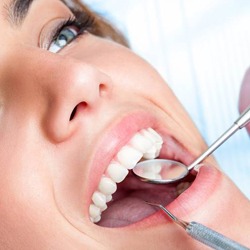
Gum disease occurs when plaque and tartar buildup at the gum line irritates and destroys soft tissue. Poor oral hygiene is the leading cause of gum disease, so maintaining proper at-home hygiene and visiting us for twice annual professional teeth cleanings are the best way to prevent gum disease. However, there are some other risk factors to keep in mind, including:

In the earliest stages, gingivitis, the signs of gum disease are subtle, and they can often go unnoticed by the untrained eye. That’s why it’s so important to visit our dental office for regular dental checkups and teeth cleanings. As gum disease enters the more advanced periodontitis stage, you will likely begin to see more noticeable warning signs, including:

Scaling and root planing treatment is the first line of defense against early-stage gum disease. This is the cleaning and removal of plaque, bacterial toxins and calculus from your teeth and root surfaces, as well as gum pocket irrigation.

As part of your periodontal therapy regimen, Dr. Pate may choose to apply an antibiotic directly under the infected gums to help suppress or eradicate harmful bacteria and to support healing. This antibiotic consists of thousands of tiny microspheres, each filled with a highly potent antimicrobial agent. It will initially harden into a wax-like texture slowly dissolve over the next few days, which will allow the medicine to reach even the deepest, most hidden bacteria.
Are you curious whether gum disease is a common dental health concern? Unfortunately, it’s incredibly pervasive, and sources estimate that nearly 4 in every 10 adults (nearly half) who are 30 years or older have some type of periodontal problem.
The more advanced stage, periodontitis, tends to affect older adults more frequently; about 60% of those who are 65 or older are estimated to have developed it. Your gender can potentially also impact the risk of gum disease. For example, the CDC estimates that 1 in 3 women will have it, compared to 1 in 2 men.
Additional contributing risk factors can include your oral hygiene habits, whether you smoke, your dietary decisions, and having other medical conditions, such as diabetes.
It’s natural to wonder how long it’ll take to treat your gum disease, but the answer depends on the severity of your condition. The earliest stage, known as gingivitis, can sometimes be resolved within a couple of weeks or about a month, as long as you also brush and floss your teeth twice daily at home.
However, late-stage gum disease, or periodontitis, may take several months to respond to treatment, and even then, it can often be managed rather than fully cured.
If you notice that your connective tissues look darker than usual, feel swollen, are sensitive, or bleed when you brush and floss, then you might have developed an issue. It’s normal to wonder how urgent your condition might be and whether it’s considered an emergency.
But the truth is, if your condition has progressed to the point that you have noticed symptoms, then it’s best to contact our office for an appointment. Gingivitis often starts out ‘silently’ and doesn’t exhibit symptoms until it has already become a more serious concern. The sooner you contact our team for treatment, the more likely we can halt the progress of the disease before it does more permanent damage.
Gum disease is a common dental concern that affects people of all genders, ages, and walks of life, so you’re not alone if you’re wondering if it can be completely reversed. Thankfully, if it’s caught early enough, there’s a good chance that your condition is treatable, which is why our team encourages you to schedule routine checkups and cleanings every 6 months.
However, once the disease advances to later stages, like periodontitis, it’s considered untreatable. Once your gums start to recede or you lose jawbone density, the unfortunate truth is that a deep cleaning isn’t sufficient to effectively address the issue.
Thankfully, taking proper precautions, such as implementing a consistent at-home dental hygiene routine and visiting us for regular appointments, can help you prevent periodontal problems from developing in the first place.